UI Design

Audi Active Coach

The feel-good traveling companion for Audi drivers

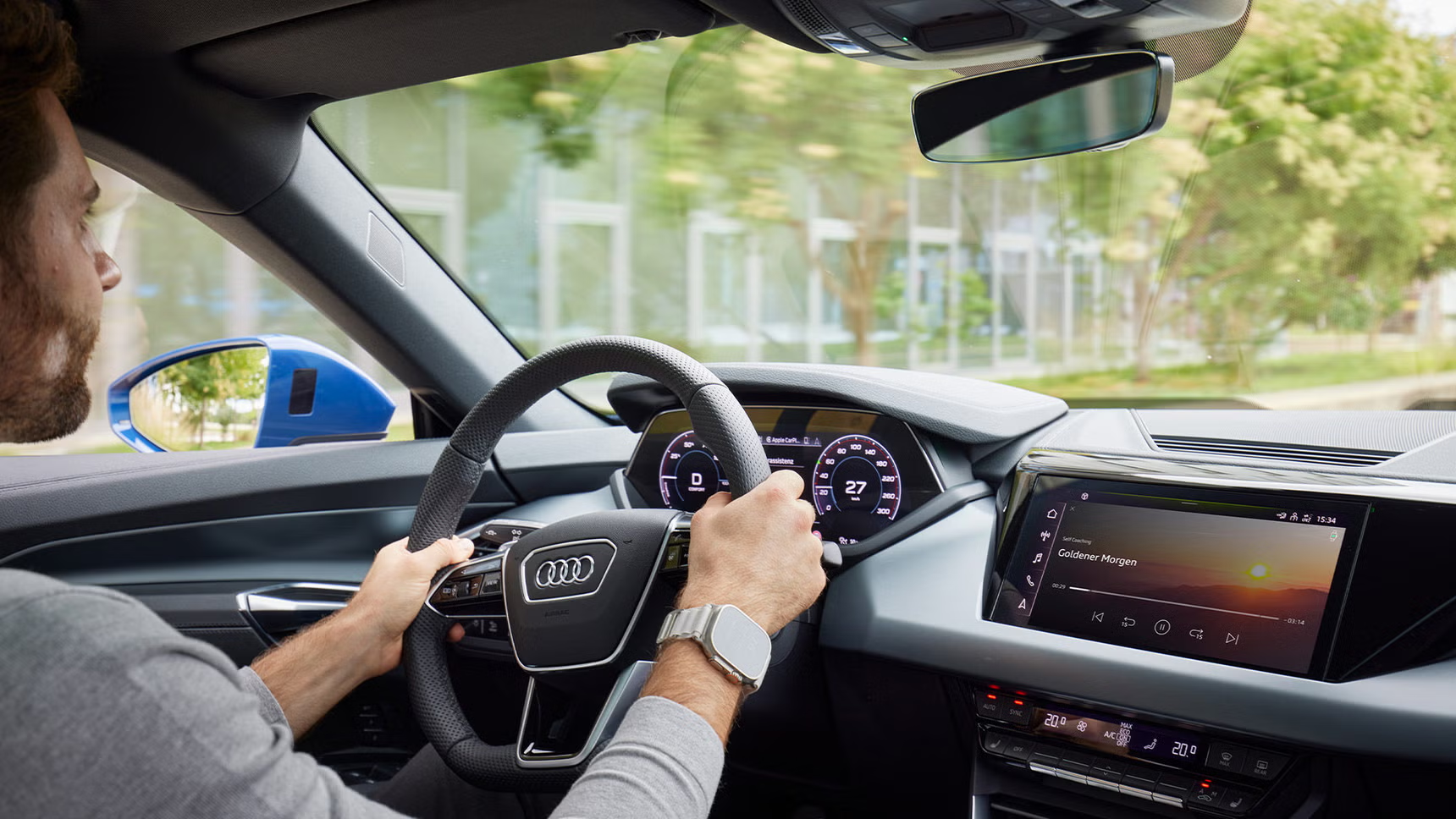
Audi introduced a new strategy to build a driver-centered digital ecosystem. A key element was Audi Stage – a playground app where Audi Business Innovation could launch and test new services with early-adopter drivers.

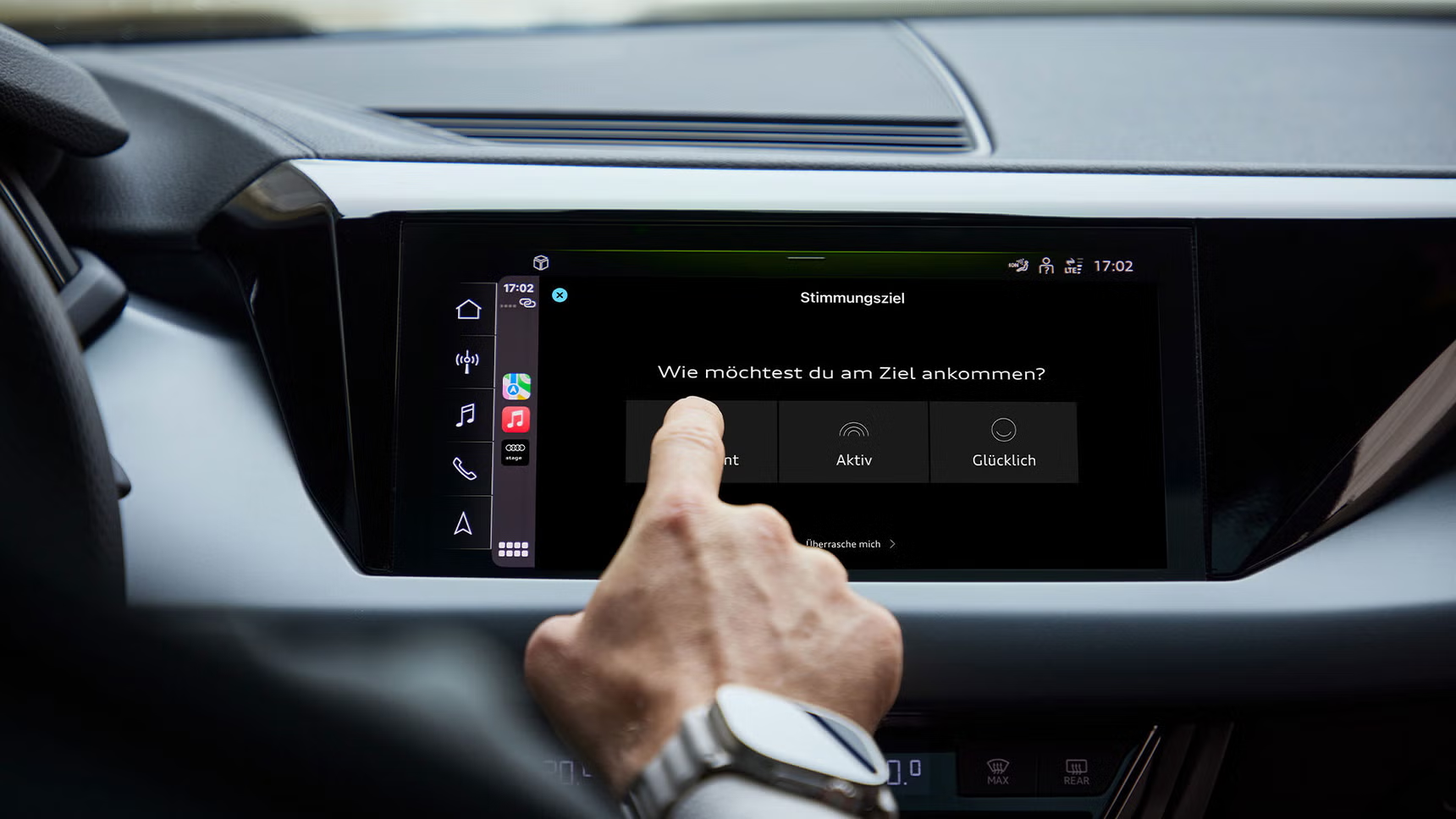
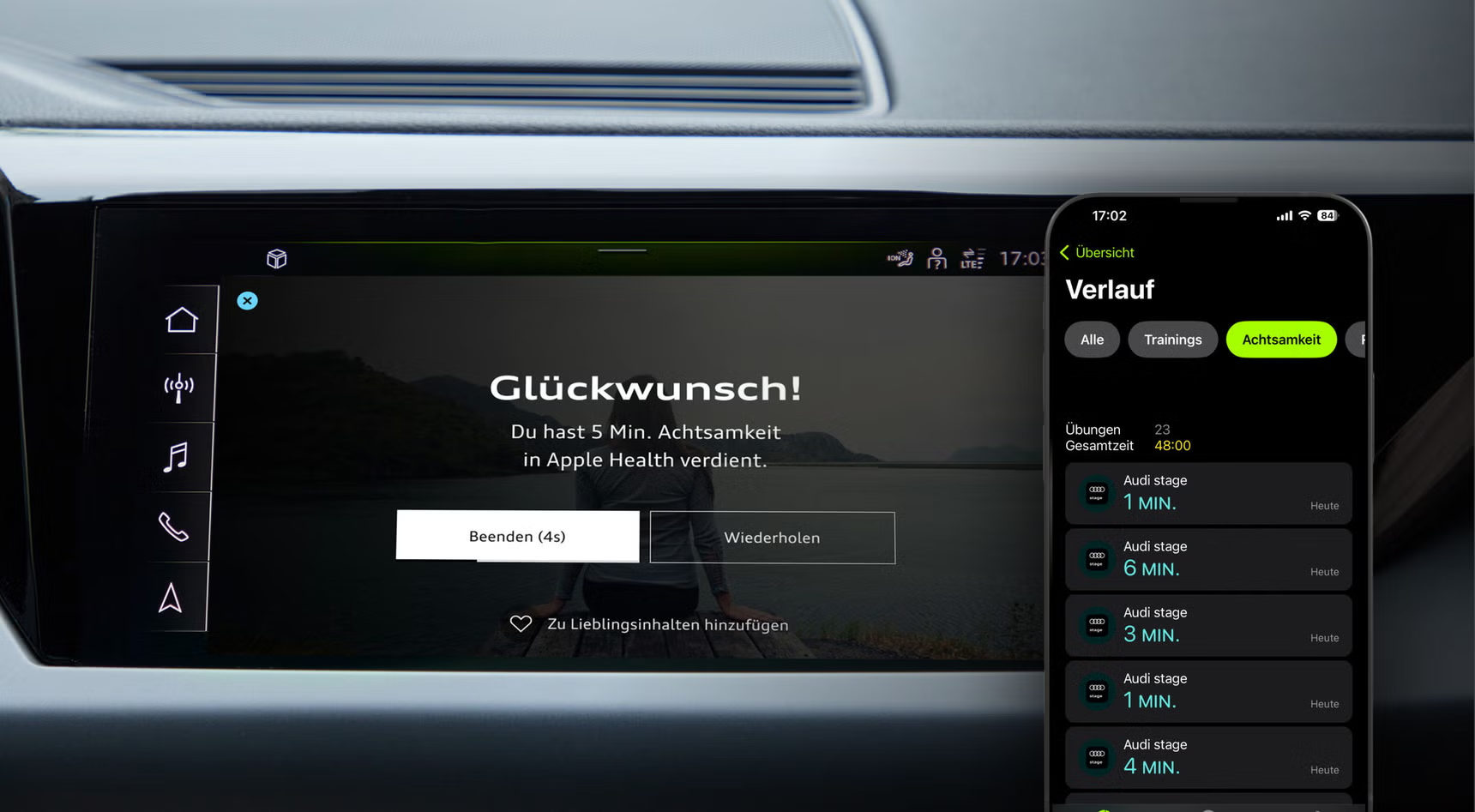
Audi Active Coach (AAC) was one of these services. It uses Apple Watch heart-rate data to detect signs of stress and offers short soundscapes and breathing exercises to help drivers arrive more relaxed and focused.
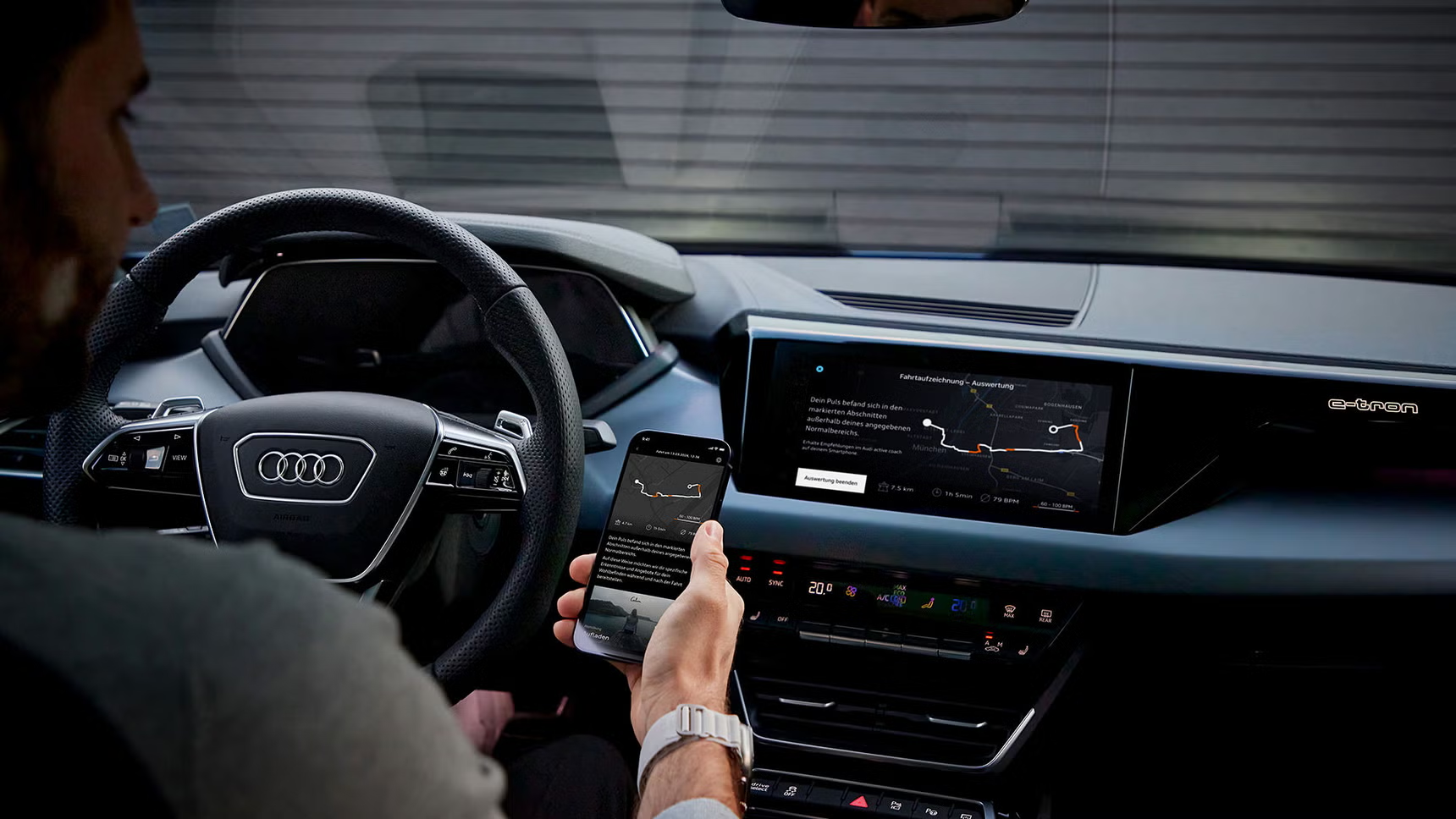
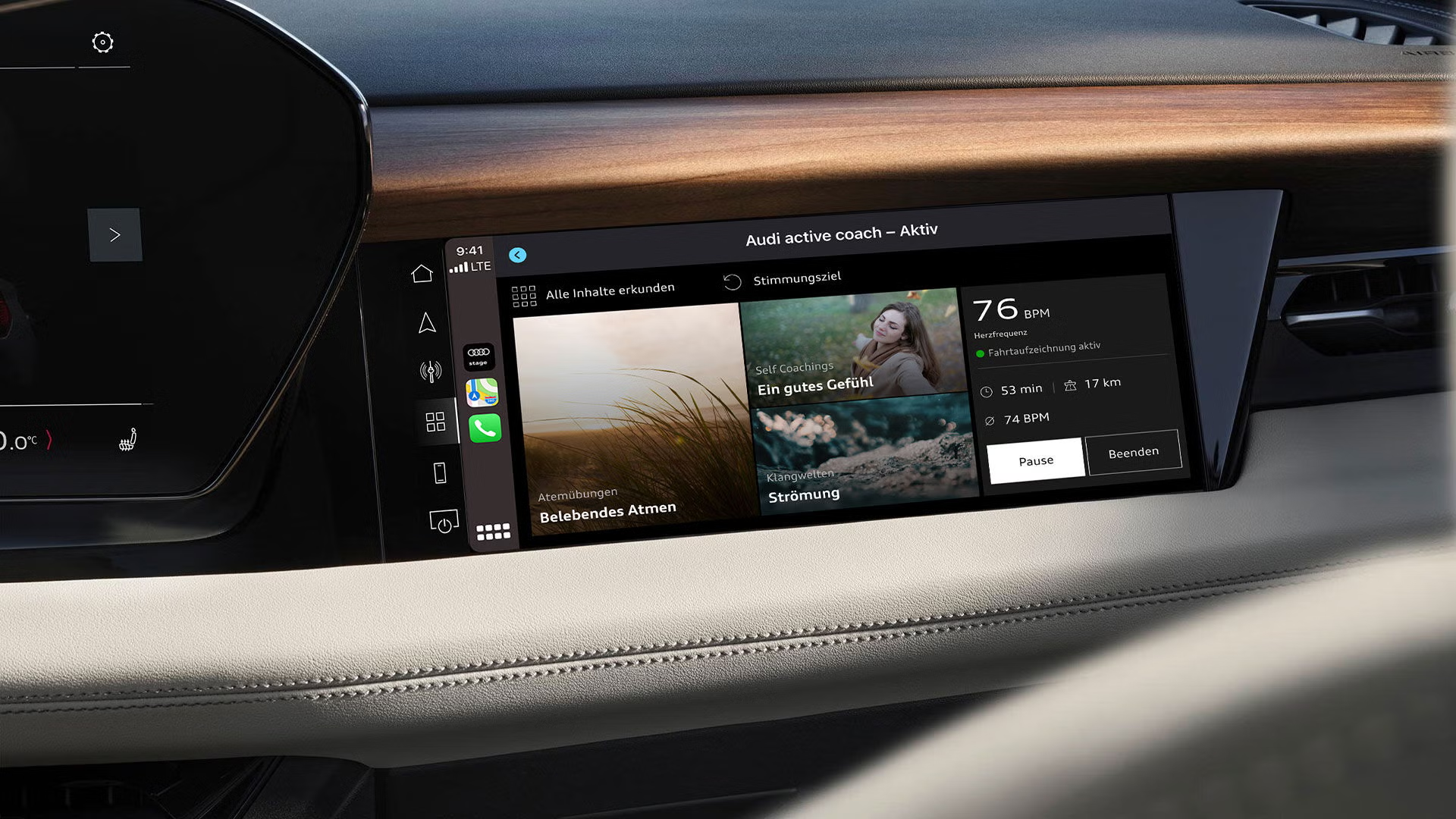
Person in car looking on iPhone, showing same screen as in-car display.
Client

Audi AG / Audi Business Innovation GmbH

Role

UX & UI designer in an international agile product team

Responsibilities
  • Creating an end-to-end experience within the Audi Stage ecosystem
  • Creating high-fidelity UI across Apple Watch, iPhone, and CarPlay – in line with Audi’s digital design system and iOS guidelines
  • Partnering with UX research to plan and analyze usability tests for the MVP and later iterations
  • Setting up a foundational design system for Audi Stage components to make future services faster to design and more consistent
  • Aligning with product owner, developers, and project management to ensure feasibility and impact
Tools
Figma
Xcode
Technologies & Methodologies
Interface design
Interaction design
Usability testing
Design system
WCAG 2
iOS app
Apple CarPlay

Challenge

Driving comes with constant stress triggers: roadworks, traffic, time pressure, and the behavior of other road users. Over time, these can lead to tension, irritability, and in some cases unsafe driving behavior.

For Audi Active Coach, we had to balance several goals at once:

  • Support drivers in stressful moments without increasing cognitive load or distraction
  • Integrate naturally into Audi’s ecosystem and work across Apple Watch, iPhone, and CarPlay
  • Prove that Audi Stage can host high-value wellbeing services, not just utility features

The question that guided much of our work was: “How can we help drivers in the background, exactly when they need it, without demanding attention they don’t have?”

Design process

Framing the experience

Before designing screens, we needed clarity on when and how Audi Active Coach should appear in a driver’s journey. Together with the product owner and UX research, I helped structure the problem:

  • Mapped typical driving contexts (commute, long-distance, city traffic, traffic jams)
  • Defining when and how AAC should react to elevated heart rate
  • When to offer interventions, and when to stay in the background

This resulted in a clear backbone:

  1. Detect potential stress via Apple Watch
  2. Offer short, low-effort interventions
  3. Keep the interaction safe and glanceable while driving

Interaction and interface design

With the backbone in place, I translated the concept into detailed interactions and interfaces across devices. I focused on:

  • Creating service flows and screen flows for Watch, iPhone, and CarPlay
  • Designing a simple, visually clear audio player for breathing exercises and soundscapes
  • Applying Audi’s digital design language and WCAG 2 while respecting Apple’s platform guidelines
  • Working closely with developers to refine edge cases and ensure a high-quality implementation

Because Audi Active Coach was one of the first services on Audi Stage, I also started extracting UI components and interaction patterns into its own design system. This foundation later helped other teams design and ship new services faster and more consistently.

Testing and iteration

We first released an MVP to validate the concept with real drivers. In usability tests and early field feedback, we saw a clear pattern:

  • Drivers understood the idea but often didn’t feel enough concrete benefit in their everyday driving
  • The experience felt too generic and didn’t create a strong reason to return

Instead of just polishing screens, we went back to the product level and rethought key parts of the experience. Together with the team, I helped shape the next iteration:

  • Added light gamification elements to support habit building without turning the service into a game
  • Introduced personalization options (e.g. exercise length and intensity) so drivers could adjust AAC to their routines
  • Reworked the CarPlay interface to be even more focused, with fewer choices, large targets, and very clear states for safe use while driving

Outcome and learnings

After more than a year of development and iteration, we shipped a version of Audi Active Coach that drivers actually integrated into their daily commutes.

Impact

  • Follow-up tests and feedback showed that drivers experienced the service as more helpful and engaging
  • Usage data within Audi Stage indicated repeat usage instead of one-time trials
  • Audi Active Coach became one of the flagship services in Audi Stage
  • The components and patterns developed for AAC formed the basis of the Audi Stage design system, supporting future services on the platform
  • During the rollout, Audi Stage downloads in the App Store increased, with Audi Active Coach being one of the key services showcased within the app

What I learned as a designer

  • It is crucial to test early and often to identify weaknesses before too much time and budget are invested in development
  • An MVP should focus on the single core feature with the highest value for users, while additional features are added in later iterations
  • Multi-device experiences only stay coherent and scalable when they are backed by a strong design system and shared patterns